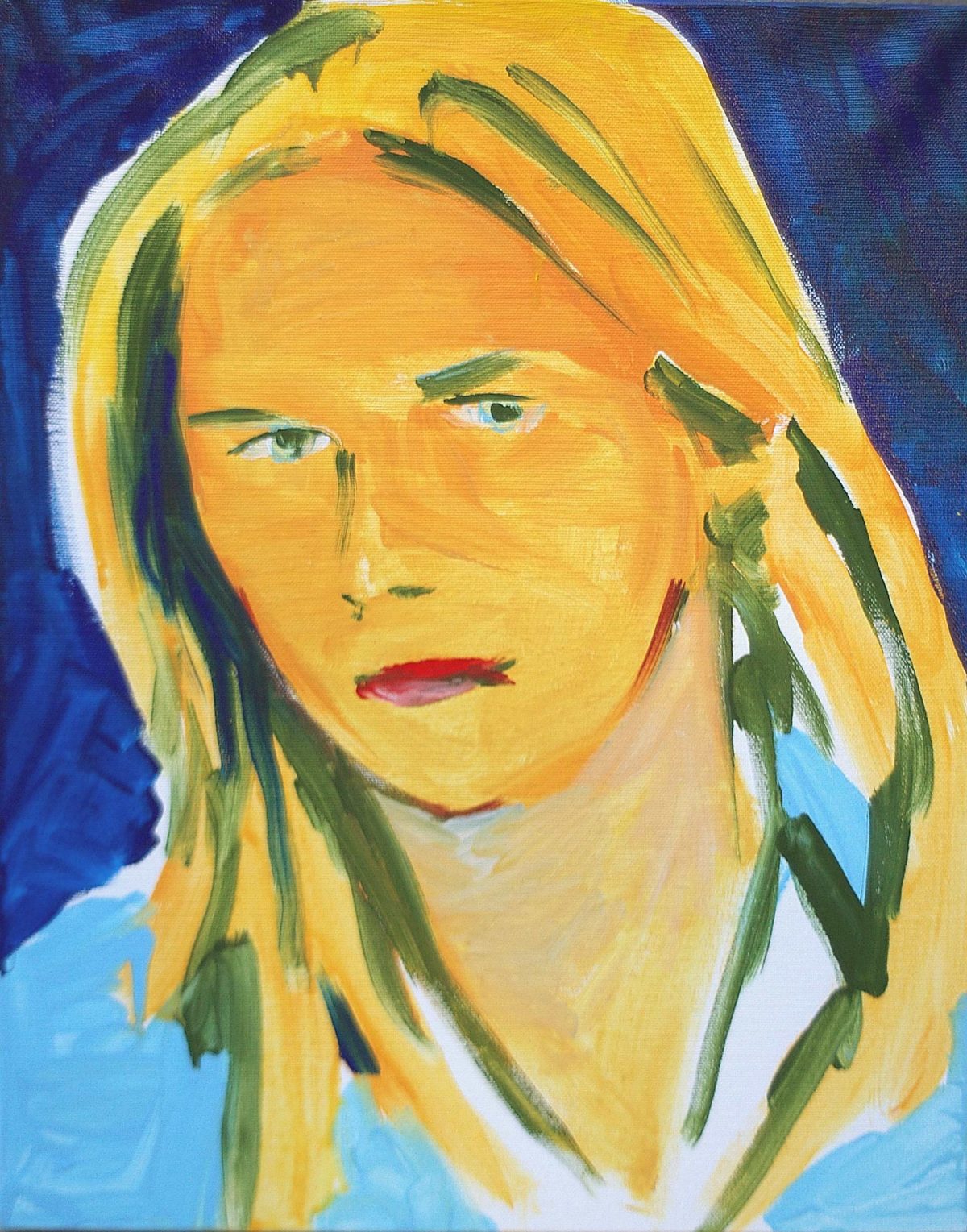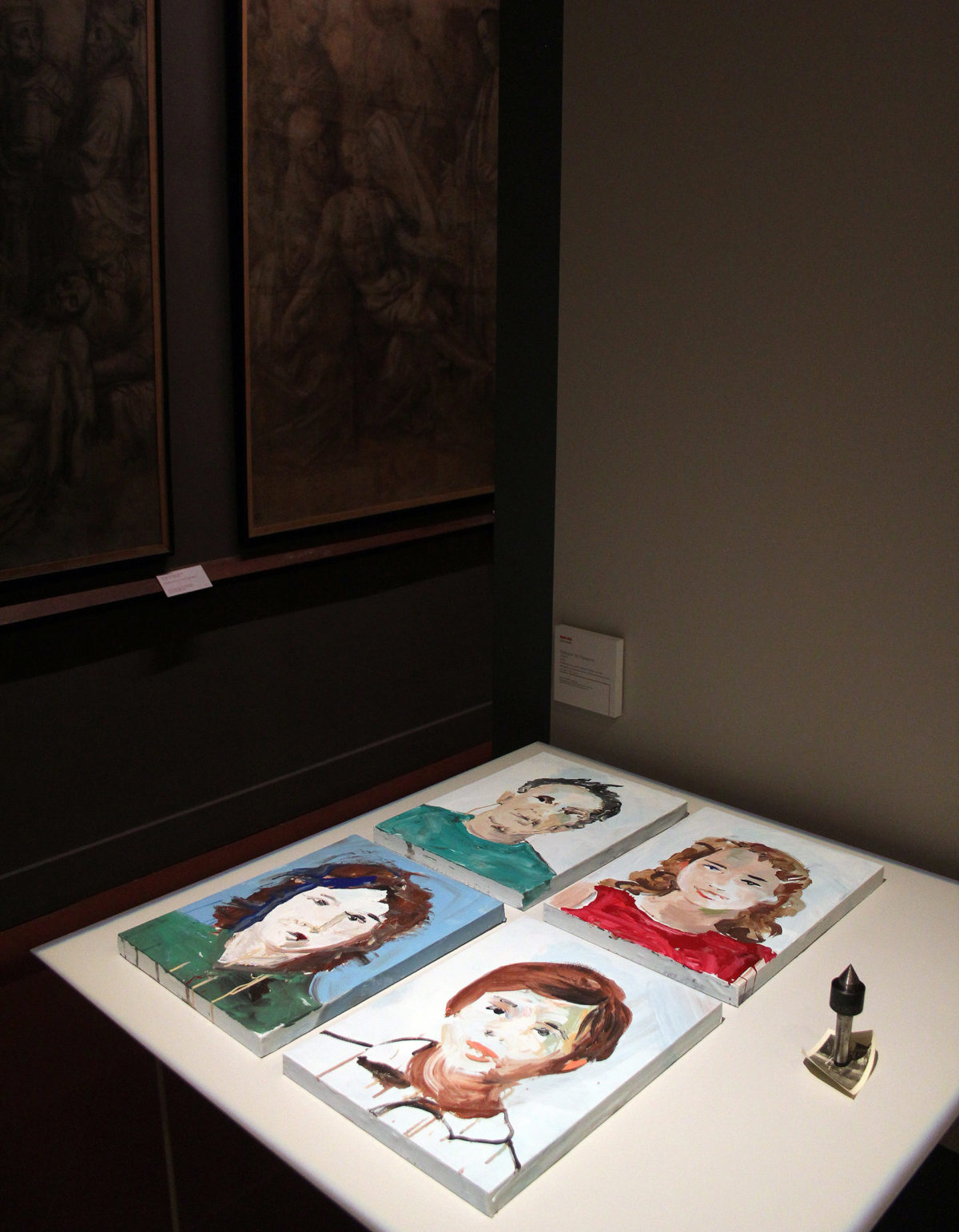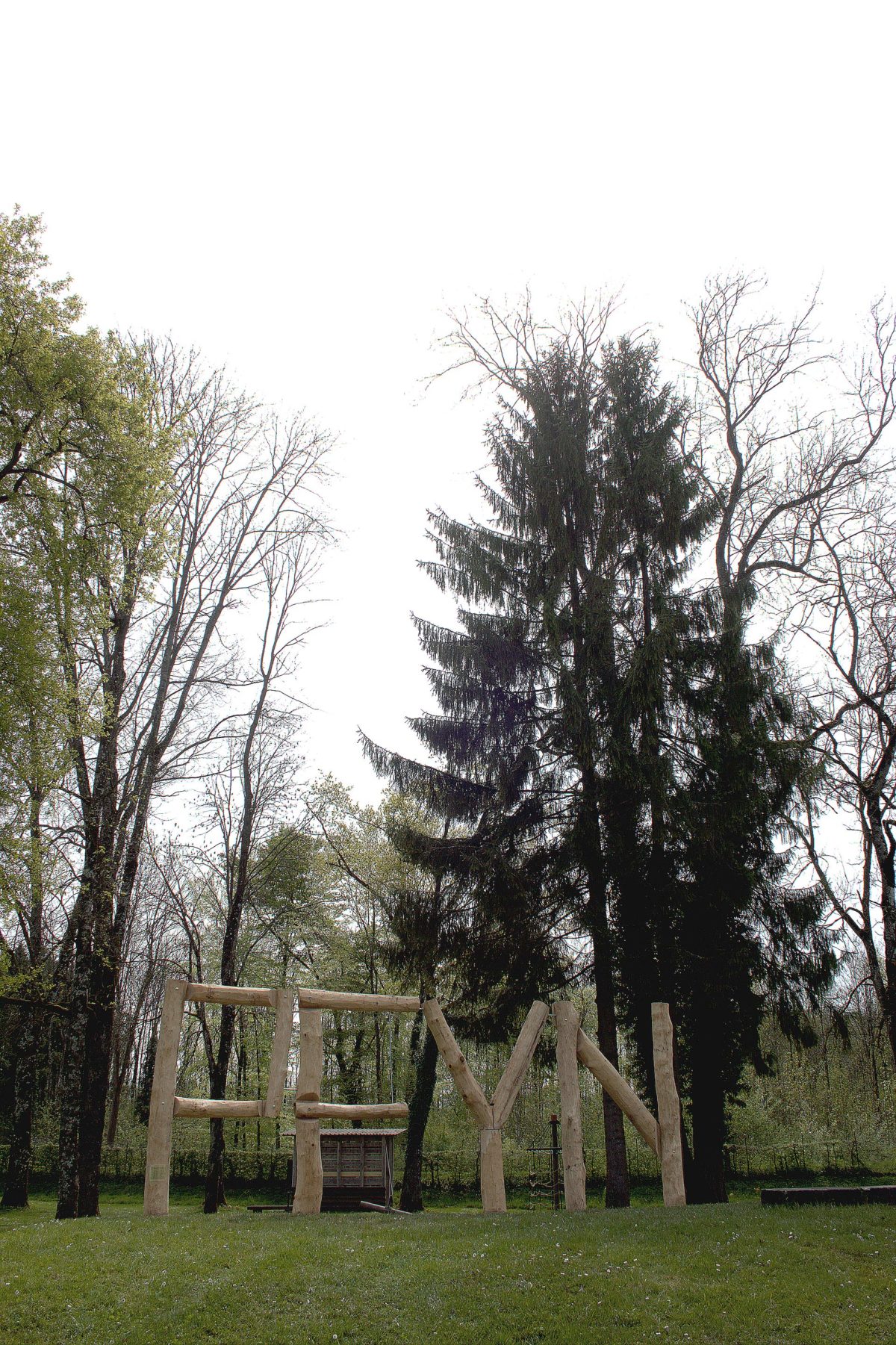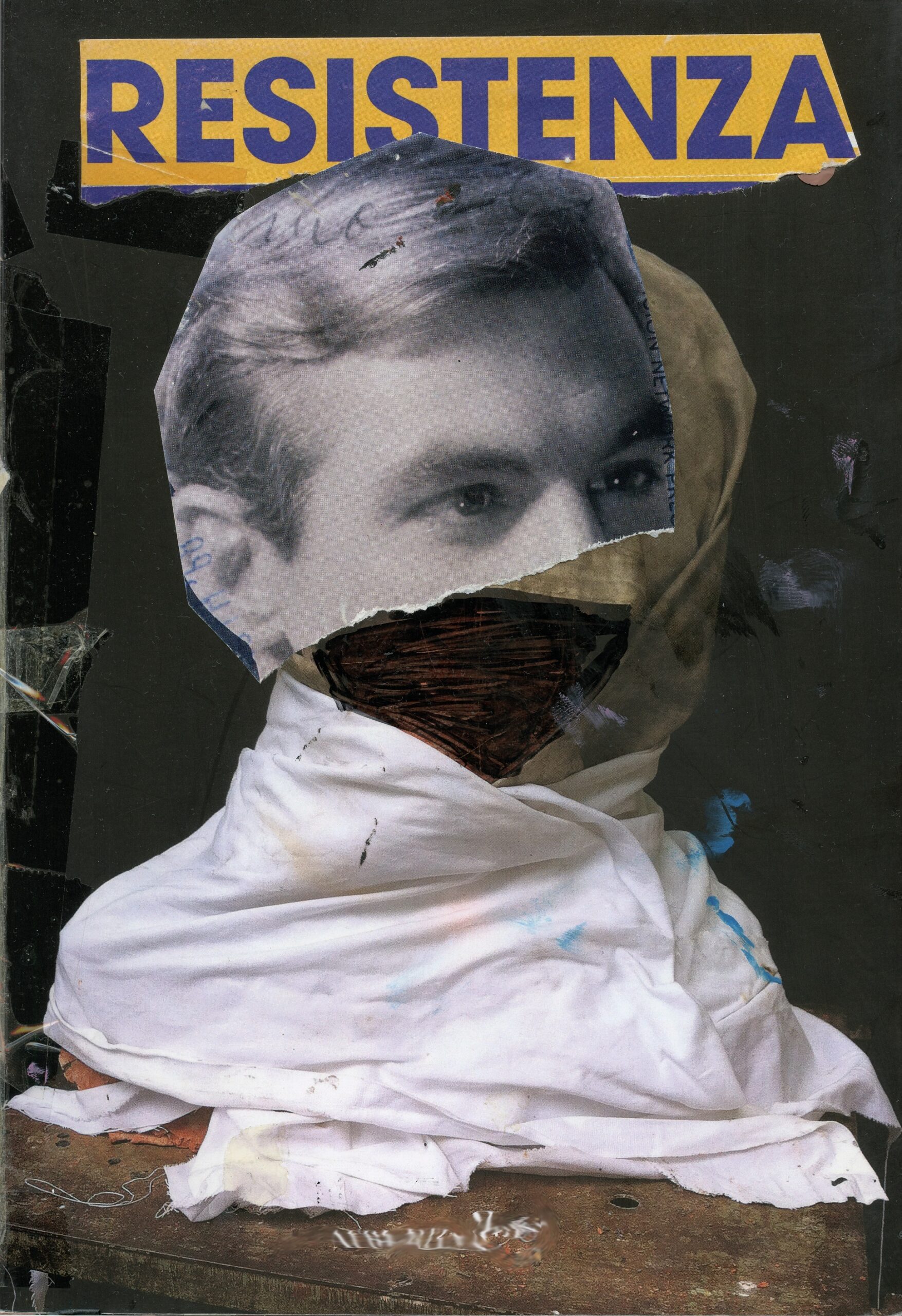
2022, artist book, 24 x 16,5 cm, 76 pages
Pasquini uses collage as a means of resistance in a hostile and confusing world.
With skill, he cuts, breaks, and stitches history back together—always with a constant sense of irony.
His mastery of collage allows him to insert himself and his intimacy into these works: by reflecting himself in the pages, he allows us to see ourselves in his thoughts, in the world, and in his perception of it.
Collage represents the act of borrowing fragments from other lives and objects, and by combining them, creating an entirely new work: his individuality emerges through this artistic practice.
At times, we are drawn in by elements that have been covered, censored, or erased.
At others, it is the graphics—apparently stripped of their original meaning and communicative purpose—that capture our attention.
In this context, it is interesting to observe how graphics become true “art,” an element that contributes to the creation of the book alongside other artistic disciplines such as painting and sculpture.
What adds further meaning to these artist’s books are his small personal touches: letters, old photographs, and paintings emerge like a hand reaching out from a grave, trying to grasp the last flickers of memories—of something erased or lost forever.
Alternatively, one can simply immerse oneself in the pure artistic beauty, flipping through the book until the end, where a hint of irony always emerges—as in a real story that should never be read starting from the last page.
The “guiding system” and indelible trademark that accompanies the reader are Pasquini’s stamps—his method for tracking his artistic production.
These stamps become the only constant in this whirlwind of existences, offering a glimmer of realism and continuity to his work: almost as if suggesting the intention to instill discipline not only in art but also in his own life—two dimensions that often merge and influence one another.
Pasquini utilizza il collage come mezzo di resistenza in un mondo ostile e confuso.
Con abilità, taglia, spezza e ricuce, sempre con costante ironia, la storia.
La sua abilità nel collage gli consente di inserire se stesso e la sua intimità in queste opere: riflettendosi nelle pagine, permette a noi di specchiarci nel suo pensiero, nel mondo, e nella sua percezione di esso.
Il collage rappresenta l’atto di prendere in prestito frammenti da altre vite e oggetti, e combinandoli, si crea un’opera completamente nuova: la sua individualità emerge attraverso questa pratica artistica.
A volte si viene catturati da elementi che sono stati coperti, censurati o cancellati.
Altre volte, la grafica apparentemente privata del suo significato originario e del suo insieme comunicativo, attira l’attenzione. In questo contesto, è interessante notare come la grafica diventa “arte” a tutti gli effetti, un elemento che contribuisce alla formazione del libro insieme ad altre discipline artistiche come la pittura e la scultura. Ciò che dà ulteriore significato a questi libri d’artista sono i suoi piccoli richiami personali: lettere, vecchie foto e dipinti emergono come una mano che si protende da una tomba, cercando di afferrare gli ultimi sprazzi di ricordi di qualcosa cancellato o perduto per sempre. Alternativamente, ci si può immergere nella pura bellezza artistica, sfogliando il libro fino alla fine, dove emerge sempre un tocco di ironia: come in un vero racconto che non dovrebbe mai essere sfogliato cominciando dall’ultima pagina.
Il “sistema guida” e marchio indelebile che accompagna il lettore sono i timbri di Pasquini, il metodo per tenere traccia della sua produzione artistica. Questi timbri diventano l’unica costante in questo turbinio di esistenze, offrendo un barlume di realismo e continuità alla sua opera: quasi a suggerire l’intenzione di instillare disciplina non solo nell’arte, ma anche nella sua stessa vita; due dimensioni che spesso si fondono e si influenzano reciprocamente.
Valeria Chiabotto